
Chikmagalur Itinerary for 3 Days: The Ultimate Weekend Guide
Three days in Chikmagalur done properly: the peaks and waterfalls, the Hoysala temples at Belur and Halebidu, coffee estate mornings, and the spiritual belt of Sringeri.
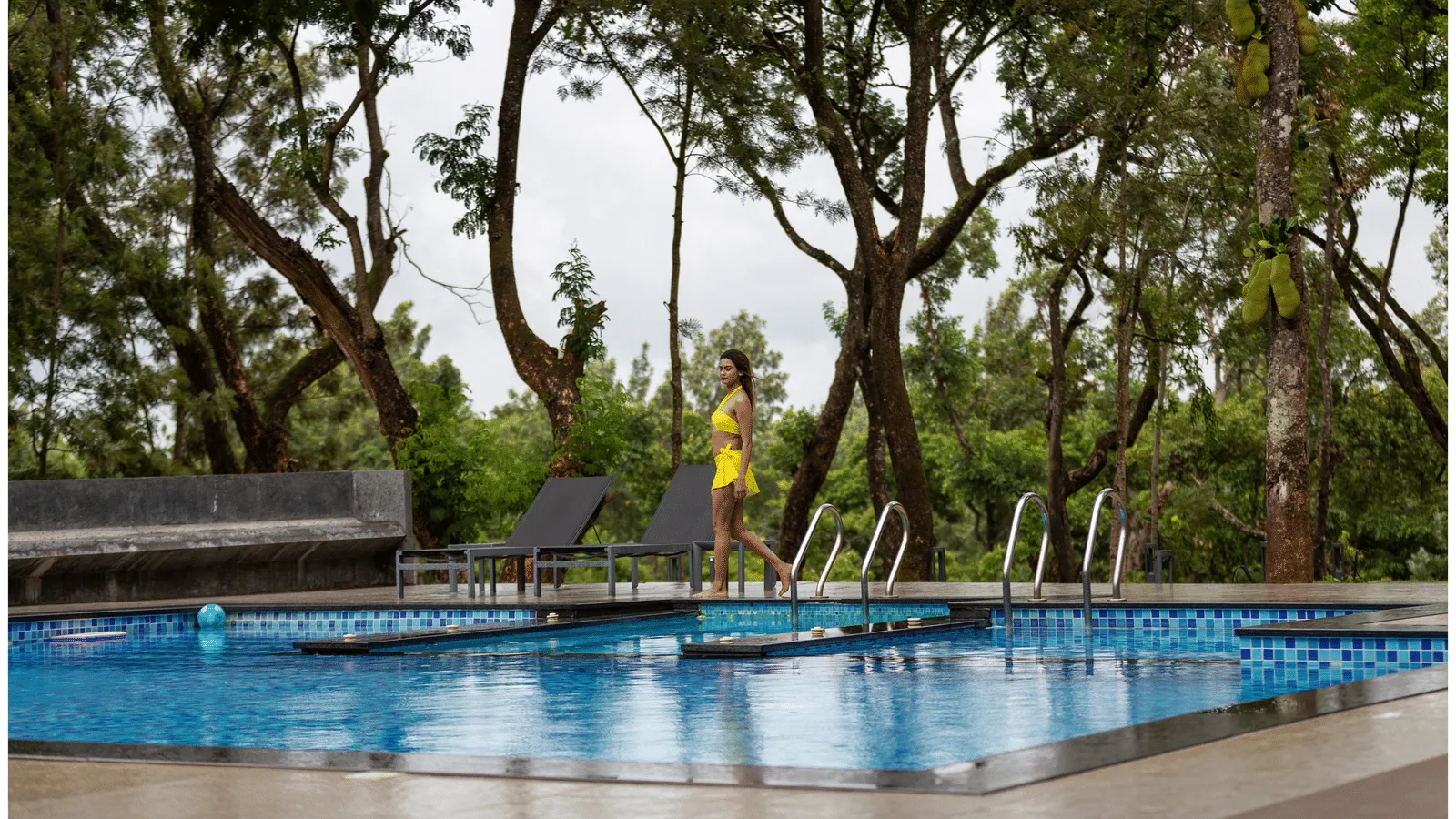
Three days in Chikmagalur is not an indulgence — it’s the right amount of time. Two days gets you the peaks and the waterfalls. Three days gets you all of that, plus the Hoysala temples, a wildlife sanctuary, the spiritual belt of Sringeri and Horanadu, and enough unhurried mornings to actually feel the place rather than just photograph it.
Chikmagalur sits in the heart of the Western Ghats of Karnataka — a region of coffee-draped hills, cascading rivers, ancient temples, and the highest peak in the state. It is one of the most rewarding destinations for a long weekend from Bengaluru, and a 3-day itinerary gives you room to do it properly.
This guide is built around a stay at The Silver Sky Hotels & Resorts — one of the finest luxury resorts near Chikmagalur, just 10 minutes from the main city, with an on-property coffee plantation, pool, spa, and multi-cuisine dining. Everything in this itinerary is logistically easy from the resort.
Trip at a Glance
- Duration: 3 Days / 2 Nights
- Base: The Silver Sky Hotels & Resorts, Chikkamagaluru
- Distance from Bengaluru: ~243 km via NH75 (approx. 4.5–5 hours)
- Best time to visit: October to March for trekking; June to September for waterfalls
- Ideal for: Couples, families, nature lovers, adventure seekers, spiritual travellers
- Getting around: Self-drive or hired cab strongly recommended
Day 1: Arrival, Coffee Trails & the Peaks
Arrive by late morning and check in to The Silver Sky. Let the resort do the work first — the coffee plantation trail on the property is the perfect, gentle way to settle into the region. Save your legs for the afternoon.
Morning: Drive from Bengaluru & Check-In
Leave Bengaluru by 6:00 AM to beat traffic and arrive in Chikmagalur by 10:30–11:00 AM. The drive via Hassan on NH75 is one of Karnataka’s more scenic routes — the landscape shifts noticeably as you climb into the Ghats. Check in and take a proper breakfast at The Silver Spoon before heading out.
Pro tip: Book your room directly to access early check-in priority and a complimentary 10% spa discount during your stay.
Late Morning: Coffee Plantation Trail — The Silver Sky Estate
One of the most distinctive things about The Silver Sky is that the coffee plantation is part of the property. A complimentary guided trail takes you through rows of Arabica and Robusta plants, explaining how each cherry is harvested, processed, and eventually becomes the cup of filter coffee you’ll taste at the end. This is not a generic museum experience — it’s a walk through a working estate. Chikmagalur is the birthplace of coffee in India; understanding that history on the land itself, before you see anything else, gives the whole trip a different texture.
Afternoon: Baba Budangiri Hills
After lunch, drive to Baba Budangiri Hills — one of the most scenic and historically significant places to visit in Chikmagalur. Named after the 17th-century Sufi saint who legend says smuggled the first seven coffee beans out of Yemen and planted them here, the hills sit at around 1,895 metres and are sacred to both Hindu and Muslim communities. The Dattapeetha cave shrine near the summit is a point of deep reverence, and the drive through dense forest and winding roads is itself the attraction.
Pro tip: Baba Budangiri is at its most peaceful on weekday mornings. Avoid festival dates when crowds at the shrine can be significant.
Late Afternoon: Manikyadhara Falls
Located approximately 7 km from the Baba Budangiri temple complex, Manikyadhara Falls is a perennial 30-foot waterfall that drops from a verdant cliff face. The name translates to “stream of pearls” in Sanskrit — earned from the way sunlight catches the water droplets mid-fall. A 2-km hike from the nearest motorable point leads to the falls. Return to the resort by evening for dinner at The Silver Spoon and a sundowner at The Silver Peg bar.
Day 2: Mullayanagiri, Kemmannugundi & Hebbe Falls
Day two is the most physically active of the three — an early start earns you Karnataka’s highest peak at dawn, followed by one of its most celebrated waterfalls. Pace yourself.
Early Morning: Mullayanagiri Peak
Set out by 5:30 AM. Mullayanagiri, at 1,925 metres, is the highest peak in Karnataka and the crown of the Western Ghats. The 30-minute trek to the summit — along the well-marked Sarpadari Trail (approximately 4 km, about 2 hours return) — passes through grassland, rocky outcrops, and shola forest. A small Shiva temple marks the peak; the Dattapeeta cave nearby is believed to have been the meditation site of the sage Mullappa. The pre-dawn drive and the summit in morning light — with cloud cover rolling across the valleys below — is one of the most memorable experiences anywhere in Karnataka.
Pro tip: Carry a windcheater — the summit temperature can drop sharply before 8 AM. Download offline maps; mobile signal is unreliable near the peak.
Mid-Morning: Hirekolale Lake
Descend from Mullayanagiri and drive to Hirekolale Lake — a peaceful man-made reservoir surrounded by the Ghats and coffee plantations. It’s a lovely spot for a short walk along the bank, bird-watching, and the kind of photography that requires stillness rather than speed. Pick up a roadside breakfast from a local stall in Chikmagalur town before continuing.
Afternoon: Kemmannugundi & Z Point
Drive to Kemmannugundi — the hill station often called the “Ooty of Karnataka”, around 60 km from Chikmagalur. The town sits at 1,434 metres and was developed as a summer retreat by Krishnaraja Wadiyar IV of Mysore. Z Point is the highlight — a viewpoint at 1,500 metres, named after the Z-shaped terrain. The 3.5-km trek from the main road takes you through well-maintained paths with rest stops. The panoramic views across the Western Ghats valleys, especially in the late afternoon, are outstanding.
Late Afternoon: Hebbe Falls
Hebbe Falls is Chikmagalur’s most celebrated waterfall — a twin-tiered cascade (Dodda Hebbe and Chikka Hebbe) that plunges through dense coffee and cardamom estates. Access requires a jeep ride through the private estate (private vehicles are not permitted), which adds to the sense of arrival. The lower falls form a natural pool suitable for a dip. Allow 3–4 hours for the full experience including travel to and from the estate entrance.
Pro tip: The jeep can be hired at the estate entrance. Arrive by 3:00 PM to allow enough time before the gates close.
Return to the resort for a late dinner. If you have energy, the garden is one of the better spots in the district for stargazing on a clear night.
Day 3: Belur, Halebidu & the Drive Home
The final day shifts gears entirely — from adventure and nature to history and architecture. The Hoysala belt of Belur and Halebidu is among the finest collections of temple art anywhere in India, and it deserves a long, unhurried morning.
Morning: The Smudge Spa & Breakfast
Start day three with a session at The Smudge — The Silver Sky’s in-house wellness spa. After two active days, a massage or body treatment before checkout is not a luxury, it’s good sense. Expert therapists offer Ayurvedic and relaxation treatments; hotel guests enjoy an exclusive 10% discount. Follow with a proper breakfast at The Silver Spoon.
Pro tip: Book your spa session the evening before to secure your preferred time slot.
Late Morning: Belur — Chennakeshava Temple
Check out and drive to Belur (approximately 40 km, about 1 hour). The Chennakeshava Temple is one of the most extraordinary examples of Hoysala architecture in existence. Built in the 12th century by King Vishnuvardhana to commemorate his victory over the Cholas, the temple took over 103 years to complete. Every exterior surface is covered in intricate carvings — friezes of elephants, lions, horses, vines, mythological scenes, and celestial figures (shalabhanjikas) of remarkable expressive quality.
Pro tip: Entry is free. Guides charge approximately Rs. 300–500 and are well worth it for the historical context that makes the carvings legible. Photography inside is permitted.
Afternoon: Halebidu — Twin Hoysala Temples
Drive 15 km from Belur to Halebidu — the old capital of the Hoysala Empire. The twin Hoysaleshwara and Shanthaleswara temples here are arguably even more elaborate than those at Belur. They were never fully completed — yet they represent the most concentrated display of Hoysala stone carving anywhere in the world. The outer walls cycle through horizontal friezes of elephants (stability), lions (courage), horses (speed), and vines (the cycle of life) before reaching figurative panels at eye level. Have lunch near the site before beginning the drive back to Bengaluru.
Optional Extension: Horanadu & Sringeri
Travellers who want a spiritual dimension can convert this into a 4-day trip by including Horanadu and Sringeri on day 2 and pushing Mullayanagiri to day 3. The Horanadu Annapoorneshwari Temple sits on the banks of the Bhadra River, surrounded by forest. Sringeri, 86 km from Chikmagalur, is one of the four mathas established by Adi Shankaracharya in the 8th century; the Sri Sharada Temple and the Vidyashankara Temple (notable for 12 zodiac pillars that align with sunlight on the corresponding date) are both architecturally significant and deeply peaceful.
Where to Stay: The Silver Sky Hotels & Resorts
Every destination in this 3-day Chikmagalur itinerary is within easy reach of The Silver Sky Hotels & Resorts — one of the most well-located luxury resorts near Chikmagalur, just 10 minutes from the main city and close to the road arteries leading to Kemmannugundi, Belur, and Baba Budangiri.
Accommodation spans the Coffee Cottage, Coffee Cottage with Balcony, Silver Ignots, and the premium Serenity Suites, with a swimming pool, The Smudge Spa, The Silver Spoon multi-cuisine restaurant, The Silver Peg bar, a kids play area, gym, and event spaces (The Spruce and The Sunset). Book direct for early check-in, 10% off spa treatments, and a room upgrade (subject to availability).
Essential Travel Tips for Chikmagalur
Best time to visit: October to March is ideal for trekking, temple visits, and clear peak views (15°C to 26°C, good roads). June to September brings heavy monsoon rains — waterfalls are spectacular, but some roads and trails become inaccessible. April and May are warm but manageable with early starts.
Getting there: The most practical way is by road. From Bengaluru, drive via NH75 through Hassan — 243 km, 4.5 to 5.5 hours. The nearest major railway station is Kadur (30 km) or Mangalore (130 km).
Getting around: A self-drive vehicle or hired car with driver is essential. Local jeep hire is required specifically for Hebbe Falls (private vehicles not permitted inside the estate).
What to pack: Trekking shoes, a light windcheater, sunscreen and insect repellent, a reusable water bottle, a camera with extra memory, offline maps, and light cotton clothing for temple visits.
Local food to try: Malnad thali, ragi mudde, akki roti, neer dosa, fresh estate filter coffee, and Coorg-style pork curry.
Temple etiquette: Remove footwear before entering temple premises and dress modestly. Photography is generally permitted at Belur and Halebidu but not inside the sanctum.
Ready to Plan Your Chikmagalur Itinerary for 3 Days?
The Silver Sky takes care of the base — comfortable cottages, a working coffee estate, a pool, a spa, and a kitchen that understands the flavours of Malnad. The rest of this 3-day itinerary takes care of itself.
Good to know
Frequently asked
How many days are ideal for a Chikmagalur trip?
Three days is the ideal duration for a well-rounded Chikmagalur trip. Two days covers the essential peaks and waterfalls; three days adds the Hoysala temples, a wildlife encounter, and enough resort time to properly unwind. For Horanadu and Sringeri, four days is recommended.
Is Chikmagalur worth visiting for 3 days?
Absolutely. Chikmagalur offers a wider range of experiences than most travellers expect — adventure trekking, wildlife, Hoysala heritage, spiritual sites, coffee estate experiences, and high-quality resort stays. Three days lets you engage with all of these at a holiday pace rather than a checklist.
What is the best luxury resort in Chikmagalur?
The Silver Sky Hotels & Resorts is consistently among the top-rated resorts in and around Chikmagalur. It combines a prime location (10 minutes from the main city), an on-property working coffee plantation, a pool, spa, multi-cuisine restaurant, and well-appointed cottages, catering to couples, families, and corporate groups.
What are the must-visit places in Chikmagalur?
The must-visit places include Mullayanagiri Peak (highest in Karnataka), Baba Budangiri Hills, Hebbe Falls, Kemmannugundi and Z Point, Hirekolale Lake, the Coffee Museum, Belur Chennakeshava Temple, Halebidu Hoysaleshwara Temple, Bhadra Wildlife Sanctuary, and the Annapoorneshwari Temple at Horanadu.
Is Chikmagalur good for families with children?
Yes. Hirekolale Lake, the Coffee Museum, the Z Point trek, and the jeep ride to Hebbe Falls are all accessible and engaging for children. The Silver Sky has a dedicated kids play area, a pool, and family-friendly rooms. The Mullayanagiri summit trek is manageable for older children and teenagers.
What is Chikmagalur famous for?
Chikmagalur is famous as the birthplace of coffee in India, for Mullayanagiri (Karnataka's highest peak at 1,925 m), its coffee and spice plantations, Hoysala temple architecture at Belur and Halebidu, and scenic waterfalls including Hebbe, Kallathigiri, and Manikyadhara.
What is the best time to visit Chikmagalur for 3 days?
October to March offers the clearest skies, pleasant temperatures, and best trekking conditions. For waterfalls, September and October — just after peak monsoon — offer the most dramatic flow at Hebbe and Manikyadhara while still being accessible. Avoid December 26 to January 1 for fewer crowds and lower pricing.
Keep reading
More from the plantation
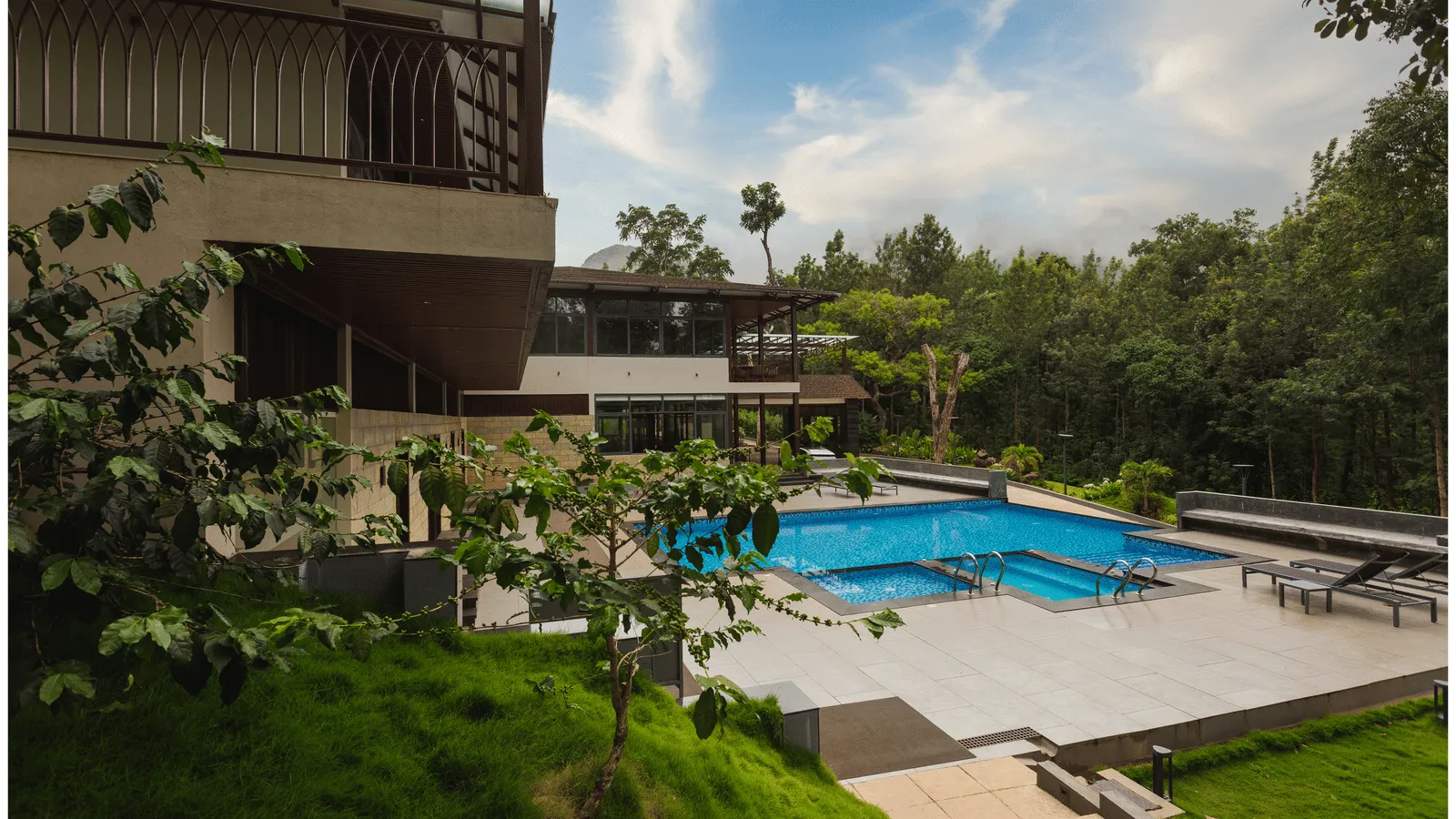
2-Day Itinerary for Chikmagalur: The Perfect Weekend Escape
48 hours in Chikmagalur with depth over box-ticking: Mullayanagiri at dawn, coffee estate trails, Hebbe Falls, and the Hoysala temples of Belur and Halebidu.
7 min read
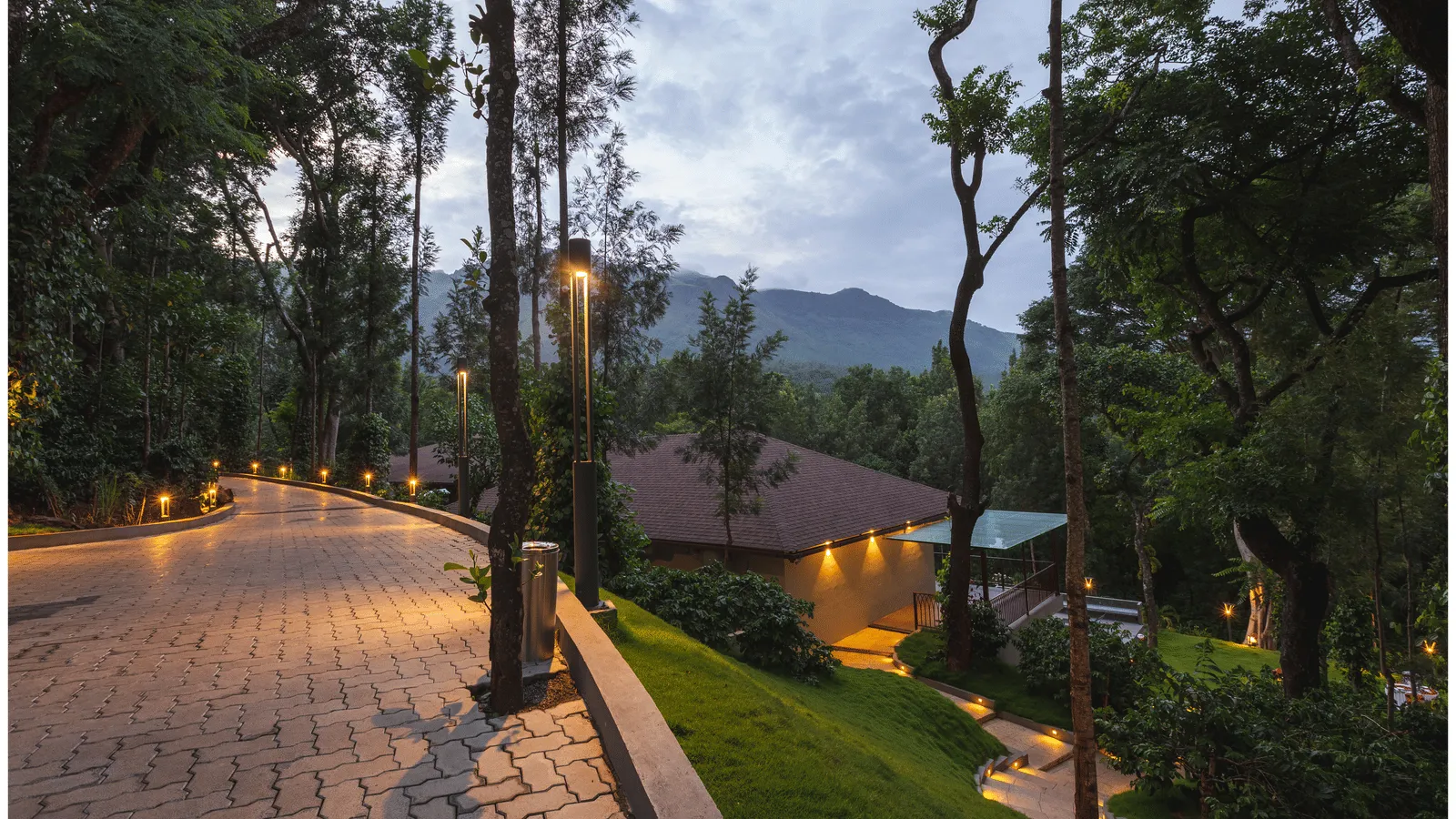
Baba Budangiri: A Complete Visitor's Guide to History & Trekking
At 1,895 m, Baba Budangiri is where India's coffee history, a cave shrine sacred to two faiths, and the finest Western Ghats trekking all meet — a complete guide to visiting.
13 min read
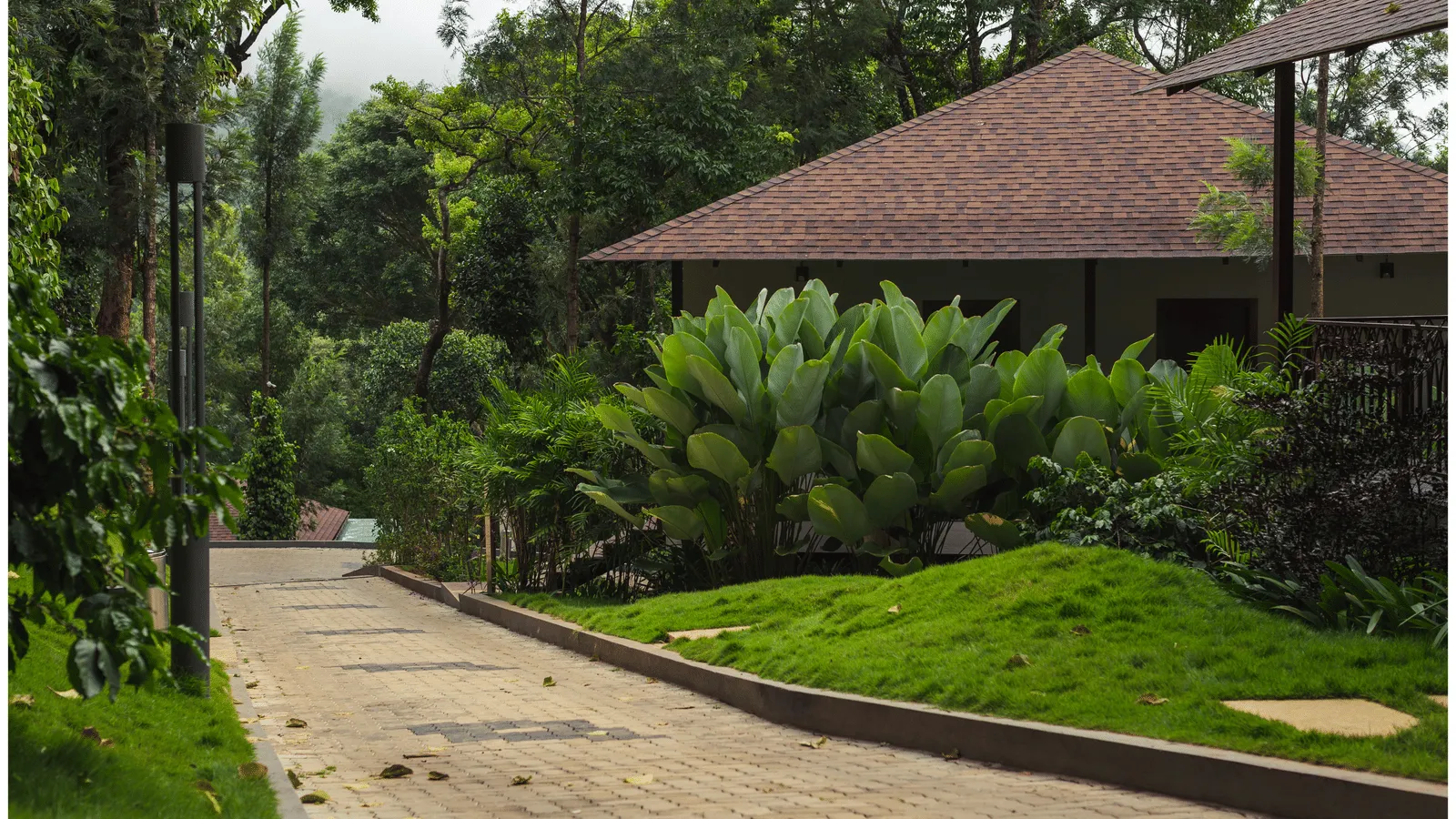
Chikmagalur Famous Things to Buy: A Complete Shopping Guide
Estate coffee from the birthplace of Indian coffee, fresh hill spices, sandalwood, wild forest honey and Malnad preserves — what to buy in Chikmagalur, where to find it, and what to pay.
14 min read