
Chikmagalur Famous Things to Buy: A Complete Shopping Guide
Estate coffee from the birthplace of Indian coffee, fresh hill spices, sandalwood, wild forest honey and Malnad preserves — what to buy in Chikmagalur, where to find it, and what to pay.
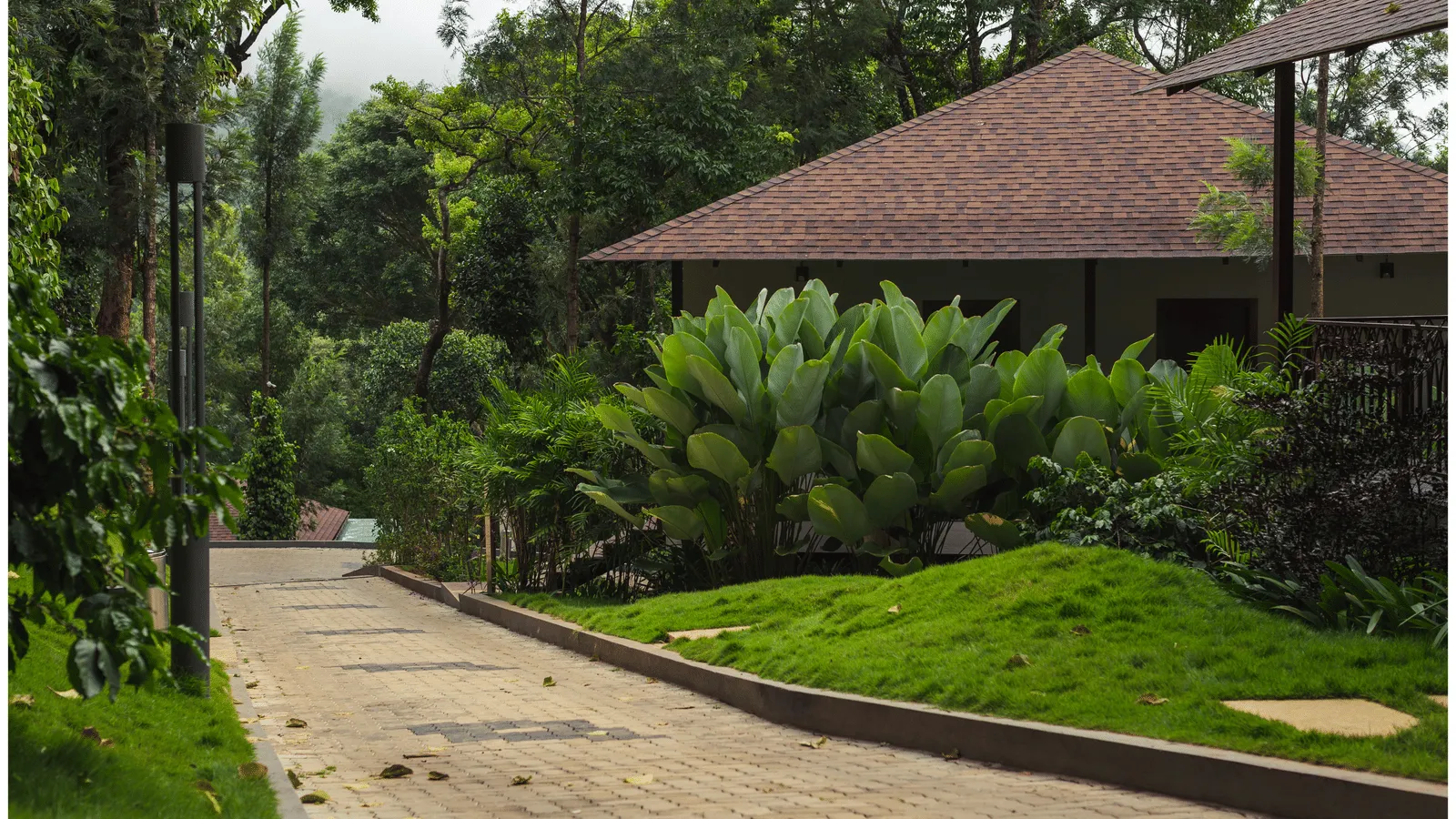
Most travellers arrive in Chikmagalur for the peaks, the waterfalls, and the coffee estates. They leave having discovered something they didn’t expect — that this quiet hill station in the Western Ghats is also one of Karnataka’s most rewarding places to shop. Not in the sense of malls and branded outlets, but in the way that actually matters: local products with genuine provenance, direct from the estates and artisans that make this region distinctive.
Chikmagalur is the birthplace of Indian coffee. It is a spice-growing heartland where cardamom, black pepper, and vanilla are cultivated in the same estates you drive past on your way to Mullayanagiri or Hebbe Falls. It has a tradition of sandalwood craft, handmade chocolates, Ayurvedic products, silk textiles, and a growing number of artisan food producers packaging the flavours of Malnad for the rest of the world.
This guide covers every major category of famous things to buy in Chikmagalur — what to look for, where to find it, what to pay, and how to make sure what you’re buying is genuinely good. If you’re staying at The Silver Sky Hotels & Resorts, your base puts you 10 minutes from Chikmagalur’s main shopping areas, making day trips into town easy and unhurried.
1. Estate Coffee — The Most Famous Thing to Buy in Chikmagalur
If you leave Chikmagalur without buying coffee, you have made a serious mistake. This is not an exaggeration. Chikmagalur is not just famous for coffee — it is the place where Indian coffee began, when Sufi saint Baba Budan planted the first seven beans on the slopes of the hills that now bear his name, around 1670 AD. The district today produces some of the finest Arabica and Robusta beans in Asia, exported globally and prized by specialty roasters worldwide.
The quality difference between Chikmagalur estate coffee and the packaged coffee in a city supermarket is significant. Estate coffee here is fresher, traceable to a specific farm, and available in forms you won’t find elsewhere: single-estate beans, small-batch roasts, traditional filter coffee powder blended to specific strength ratios, and green (unroasted) beans for home roasters.
What to Buy
- Arabica whole beans — light roast, nuanced, slightly fruity; ideal for pour-over or espresso
- Robusta beans — stronger, earthier, higher caffeine; the backbone of South Indian filter coffee
- Filter coffee powder blend (typically 80% coffee, 20% chicory) — the authentic South Indian home brew
- Single-estate ground coffee — labelled by farm or estate, more expensive but exceptional quality
- Coffee-infused products — coffee chocolate, soap, body scrub, and candles
Where to Buy
- Panduranga Coffee 1938 — one of the most respected names in Chikmagalur coffee, on MG Road. Established over 80 years ago; they roast and grind on site.
- The Spice Hub — Mathias Towers, Indira Gandhi Road. A curated range of coffee powder, spices, dry fruits, and chocolate blends, known for consistency.
- National Coffee Research Station — for those interested in purchasing in a research context; limited retail but educational.
- Estate outlets near Baba Budangiri and along the Chikmagalur–Kemmannugundi road — many estates sell directly from the farm gate.
- The Silver Sky Hotels & Resorts — the resort sits on a working coffee plantation and offers a complimentary guided trail for all guests, with fresh estate coffee to experience on the property.
What to Pay
Estate Arabica whole beans: Rs. 300–700 per 250g depending on variety and roast. Filter coffee powder blends: Rs. 150–400 per 250g. Premium single-estate or specialty roasts: Rs. 600–1,200 per 250g.
Pro tip: Buy more than you think you need. Coffee is the single most appreciated gift you can bring back from Chikmagalur. Vacuum-sealed packs travel well and stay fresh for 6 to 8 weeks after roasting.
2. Fresh Spices — Cardamom, Black Pepper, Vanilla, Cloves
The same fertile volcanic soil and Western Ghats microclimate that produces excellent coffee also yields exceptional spices. Cardamom, black pepper, cinnamon, cloves, nutmeg, and vanilla are all cultivated in the Chikmagalur district — often growing alongside coffee plants in mixed-crop estates. What you buy here will be noticeably fresher and more aromatic than anything in a city grocery store.
Cardamom
Chikmagalur cardamom is considered among the finest in India — plump green pods with a complex, floral-sweet aroma, used in chai, biryanis, desserts, and Ayurvedic preparations. Buy whole pods rather than ground cardamom; the flavour is far superior and lasts longer. A 100g pack of good-quality green cardamom costs Rs. 150–350.
Black Pepper
Karnataka is one of India’s top pepper-producing states, and Chikmagalur’s pepper is grown in the shade of coffee and silver oak trees — the same polyculture method used for centuries. The peppercorns are denser and more pungent than commodity pepper. Buy whole peppercorns for best freshness; a 100g pack costs Rs. 80–180.
Vanilla
A less well-known Chikmagalur product but one worth seeking out. Vanilla beans grown in the Malnad region have a rich, creamy aroma and sell at a fraction of the price of imported vanilla. Good-quality pods cost Rs. 200–500 per 10g (approximately 4 to 6 pods).
Spice Blends and Masala Powders
Most spice shops in Chikmagalur town stock locally made masala powders — sambar powder, rasam powder, garam masala, and Malnad-specific blends you will not find pre-packaged anywhere else. They make excellent and genuinely useful gifts for anyone who cooks.
Where to Buy Spices
- The Spice Hub, Indira Gandhi Road — curated quality spices with helpful staff
- Saravana Stores, MG Road (opposite Panduranga Coffee Works) — established 1964; dry fruits, spices, turmeric, honey, ghee, masala powders
- Namma Angady — well-reviewed for superior spices and coffee powder, with a selection of dry fruits
- Market Road, Chikmagalur town — the general market; go in the morning for the freshest produce
Pro tip: When buying loose spices, smell before you buy. Fresh Chikmagalur cardamom has an almost intoxicating floral scent — if the pods smell flat or dusty, they are old stock. Ask for the most recently arrived batch.
3. Artisanal and Coffee-Infused Chocolates
Chikmagalur’s cool climate and coffee culture have spawned a genuinely interesting artisanal chocolate scene — small-batch makers producing coffee-infused, nut-studded, and fruit-layered chocolates that are both a pleasure to eat and a thoughtful gift. The combination of local coffee and dark chocolate has become a regional speciality.
What to Look For
- Coffee dark chocolate bars — typically 60–70% cocoa with estate coffee; intense, not overly sweet
- Coffee milk chocolate — smoother, sweeter, a gentler coffee note
- Nut and fruit chocolates — cashew, almond, or local dry fruits with dark chocolate
- Coffee chocolate gift boxes — well-packaged sets that travel well
Where to Buy Chocolates
- Choco World, Market Road — a popular stop specifically for handmade chocolates
- The Bake House, Market Road — known for baked goods and chocolates
- The Spice Hub, Indira Gandhi Road — also stocks coffee-chocolate blends
- Maharaja Bakers, Market Road — local favourite for sweets and confectionery
Pro tip: Chikmagalur chocolates are preservative-free and made in a cool-climate environment — they can soften in transit in hot weather. Buy towards the end of your trip and store in a cool bag if driving back to Bengaluru in summer.
4. Sandalwood Products and Handicrafts
Karnataka is synonymous with sandalwood, and Chikmagalur is no exception. The town’s craft shops stock decorative idols, incense, skincare, perfumes, and soaps. The scent of genuine Karnataka sandalwood is distinctive and long-lasting, making these some of the most characteristic souvenirs you can take home.
What to Buy
- Sandalwood idols — Ganesha, deity figures, and abstract carvings
- Sandalwood incense sticks (agarbatti) — lighter and more consistently fragrant than mass-produced alternatives
- Sandalwood soap — handmade bars using sandalwood oil; good quality is genuinely moisturising
- Sandalwood essential oil — look for pure oil, not diluted fragrance
- Sandalwood powder — used in traditional beauty routines and rituals
Where to Buy Sandalwood Products
- Nature Craft, Mallandur Road — the most well-known handicraft and sandalwood shop in Chikmagalur; 9 AM to 9 PM
- Market Road shops — various vendors; compare quality before buying
- Government-certified emporiums — best source for guaranteed authentic Karnataka sandalwood
Pro tip: Genuine Karnataka sandalwood has a warm, creamy, woody scent — it should smell neither sharp nor chemical. If a product smells too synthetic or too light, it is likely diluted. Buy from established shops.
5. Wild Forest Honey and Local Honey Varieties
The forests and coffee estates of Chikmagalur produce some of the finest honey in South India. Bees foraging in mixed-crop estates — where coffee, cardamom, pepper, and wildflowers bloom in sequence — produce honey with a complex, layered flavour. Wild forest honey from the Bhadra Wildlife Sanctuary buffer zones is particularly prized.
Varieties to Look For
- Coffee blossom honey — light amber, mild and floral; harvested when coffee flowers in January and February
- Cardamom honey — slightly spiced, aromatic; one of the more distinctive regional honeys
- Wild forest honey — darker, richer, with a slight bitterness from forest pollen; the most complex variety
- Multi-floral honey — the most commonly available; a blend of estate and forest nectars
Where to Buy
- Saravana Stores, MG Road — good-quality local honey alongside the spice range
- The Spice Hub, Indira Gandhi Road — curated selection with clear labelling
- Local estate shops and market stalls near Baba Budangiri and Kemmannugundi — often sold directly by producers
Pro tip: Raw, unfiltered honey appears slightly cloudy or crystallised — a sign of authenticity and freshness, not spoilage. Commercially processed honey is clear and uniform because it has been heated.
6. Ayurvedic and Herbal Products
Chikmagalur’s location in the Western Ghats — one of the world’s biodiversity hotspots — gives it access to an extraordinary range of medicinal plants. A tradition of Ayurvedic practice runs through the Malnad region, and several producers make quality herbal preparations, wellness products, and skincare from locally sourced ingredients.
What to Buy
- Herbal teas — tulsi, ginger-pepper, ashwagandha, and forest herb blends
- Essential oils — eucalyptus, lemongrass, and patchouli are commonly produced locally
- Organic skincare — face packs, hair oils, and body creams using turmeric, sandalwood, and local herbs
- Triphala and other Ayurvedic formulations — at local pharmacies and Ayurvedic stores
- Coffee-based skincare — body scrubs and face packs using spent coffee grounds; a growing Chikmagalur niche
If you’d rather experience these than shop for them, The Smudge Spa at The Silver Sky offers Ayurvedic and relaxation treatments using oils in the same tradition.
Where to Buy
- Local Ayurvedic stores in Chikmagalur town — ask your resort reception for the most reputable current options
- The Spice Hub and Saravana Stores — both stock some herbal and wellness products
- Estate shops on the Kemmannugundi and Baba Budangiri routes — some produce their own herbal products
7. Silk Sarees and Traditional Textiles
Karnataka is one of India’s premier silk-producing states — home to the famous Mysore Silk and the everyday but equally beautiful Ilkal and Dharwad textiles. While Chikmagalur is not a weaving centre itself, the town’s textile shops stock a reliable selection of Karnataka silk sarees, cotton sarees, and dress materials at prices significantly lower than Bengaluru or tourist markets.
What to Buy
- Mysore Silk sarees — lustrous pure silk with Zari borders; a Karnataka heirloom purchase
- Ilkal sarees — distinguished by their contrasting silk-and-cotton weave and Kasuti embroidery borders
- Cotton sarees and salwar materials — comfortable, practical; Malnad-style prints are distinctive
- Kasuti embroidery pieces — the traditional cross-stitch of North Karnataka, on blouse pieces, dupattas, and home textiles
- Handloom fabrics by the metre — for those who prefer to have garments tailored
Where to Buy Textiles
- Vardhan Silk Palace — a dedicated saree and dress material shop in town
- Market Road saree shops — several stores; compare before committing
- Vipul Shopping Centre — cosmetics, gifts, imitation jewellery, and some textiles
Pro tip: When buying silk, request a burn test on a loose thread — real silk burns with a smell like singed hair and leaves a crushable ash. Synthetic silk smells of melted plastic and leaves a hard bead. Reputable shops will not object.
8. Local Snacks, Preserves, and Malnad Food Products
Food is one of the best categories of things to buy in Chikmagalur — shelf-stable local products that let you carry the flavours of Malnad home. The region’s food culture is deeply tied to the land: sour kokum, wild jackfruit, paddy rice, and local chillies appear in preparations unique to this part of Karnataka.
What to Buy
- Malnad preserves (uppinakai) — mango, lime, jackfruit, and Nellikai (amla) varieties made with local chillies and sesame oil
- Ragi (finger millet) flour and products — stone-ground and more nutritious than commercial brands
- Kokum (dried) — the souring agent of Malnad cooking, for curries and drinks
- Jackfruit products — dried jackfruit, chips, and papads from raw jackfruit
- Areca nut (betel nut) products — Chikmagalur is a significant producer; packaged supari is widely available
- Dry fruits — Saravana Stores (established 1964) is the best-known wholesaler for cashews, raisins, almonds
- Chutney powders — idli, peanut, and Malnad-spiced variants; excellent gifts for anyone who cooks South Indian food
Where to Buy Local Food Products
- Saravana Stores, MG Road — the most comprehensive local food store in Chikmagalur
- Market Road stalls — fresh and packaged local produce, including seasonal items
- The Spice Hub — packaged and quality-assured
- Small shops near Belur and Halebidu on the drive back — often the freshest, most farm-direct options
Where to Shop in Chikmagalur: Key Markets and Stores
Market Road — the main shopping street: small shops, bakeries, and stalls selling everything from fresh produce to packaged coffee. This is where locals shop. Go in the morning for the best energy and freshest produce.
MG Road — the town’s main commercial street, home to Panduranga Coffee 1938, Saravana Stores, and several textile shops. The most efficient stop for coffee, spices, dry fruits, and honey in one place.
Indira Gandhi Road — where The Spice Hub is located, one of the most visitor-friendly and well-curated shops, with clear labelling and consistent quality. Reliable for those who prefer not to bargain.
Mallandur Road (outskirts) — home to Nature Craft, Chikmagalur’s primary sandalwood and handicraft store. Open 9 AM to 9 PM.
Malleshwara Bazaar — a traditional bazaar for everyday goods and fresh produce. Less curated for tourists but authentic.
Shopping Tips for Chikmagalur
When to shop: Weekday mornings between 9 AM and 12 PM are ideal — shops are freshly stocked, less crowded, and staff have time to explain products. Avoid Saturday afternoons and Sundays, when the town fills with weekend visitors and some stall prices edge upward.
Bargaining: Fixed-price shops are marked clearly — don’t negotiate at these. At Market Road stalls and smaller produce vendors, gentle bargaining is expected and accepted in good spirit. Never begin a negotiation you don’t intend to complete.
Buying authentic coffee: The single biggest trap is purchasing blended or commodity coffee labelled as “estate” or “single origin”. Buy from established names — Panduranga Coffee 1938 is the safest starting point. Look for a roast date; if there is none, the coffee may have sat for months.
Packaging and travel: Coffee travels best vacuum-sealed; spices in airtight zip-lock bags or tins; chocolates and honey in glass jars need bubble wrap if flying; sandalwood items are generally safe in any bag. Check airline liquid restrictions for essential oils or honey in cabin baggage.
Supporting local artisans: Wherever possible, buy directly from producers, small shops, and cooperative outlets rather than highway kiosks. More of the money reaches the people who made or grew what you are buying — and the resort reception can usually recommend the most trusted sellers.
Where to Stay: The Silver Sky Hotels & Resorts, Chikkamagaluru
A shopping trip to Chikmagalur is most enjoyably done at a pace — morning markets, a long lunch, afternoon browsing, then back to the resort for a pool session or spa treatment. The Silver Sky Hotels & Resorts, just 10 minutes from Chikmagalur town, is an ideal base for exactly this kind of itinerary.
The resort sits on a working coffee plantation — so even before you drive into town to buy coffee, you can walk the estate and understand what you’re buying. It is also one of the most centrally placed luxury resorts near Chikmagalur — close to Mullayanagiri, Baba Budangiri, Hebbe Falls, Kemmannugundi, and Belur — making it easy to combine a full day of sightseeing with a shopping circuit in town.
Choose from the Coffee Cottage, Coffee Cottage with Balcony, Silver Ignots, or the premium Serenity Suites, with a swimming pool, The Smudge Spa, The Silver Spoon multi-cuisine restaurant, and The Silver Peg bar on site. Book direct for early check-in, a 10% spa discount, and a room upgrade (subject to availability).
Good to know
Frequently asked
What is Chikmagalur most famous for buying?
Estate coffee is the single most famous thing to buy in Chikmagalur — Arabica and Robusta beans from the birthplace of Indian coffee. Close behind are fresh spices (cardamom, black pepper, vanilla), artisanal coffee-infused chocolates, sandalwood crafts, wild forest honey, and Malnad food products like preserves, ragi flour, and chutney powders.
Where is the best place to buy coffee in Chikmagalur?
Panduranga Coffee 1938 on MG Road is the most trusted name, roasting and grinding on site since 1938. The Spice Hub on Indira Gandhi Road is a close second for consistent quality and clear labelling. For a farm-direct experience, the coffee plantation trail at The Silver Sky Hotels & Resorts lets guests understand the product before they buy.
Where should I shop in Chikmagalur?
The main shopping areas are MG Road (Panduranga Coffee, Saravana Stores), Indira Gandhi Road (The Spice Hub), Market Road (chocolates, bakeries, local produce), and Mallandur Road (Nature Craft for sandalwood and crafts). Malleshwara Bazaar is good for authentic local market atmosphere.
Are prices fixed or can I bargain in Chikmagalur markets?
Established shops like Panduranga Coffee, The Spice Hub, and Saravana Stores have fixed prices — no bargaining expected or accepted. At Market Road stalls, street vendors, and smaller produce shops, gentle negotiation is standard practice and usually welcome.
What are good gifts to bring back from Chikmagalur?
The best gifts are vacuum-sealed estate coffee, a spice selection of cardamom and black pepper, coffee-infused chocolates, local honey, a sandalwood idol or incense set, and Malnad preserve jars — all authentic, locally produced, and not available in this quality anywhere else.
Can I buy coffee directly from a plantation in Chikmagalur?
Yes. Several estates sell directly from their farm gate, particularly along the road toward Baba Budangiri and Kemmannugundi. The Silver Sky Hotels & Resorts also offers guests an on-property coffee trail on its working estate, with fresh estate coffee to taste.
Keep reading
More from the plantation
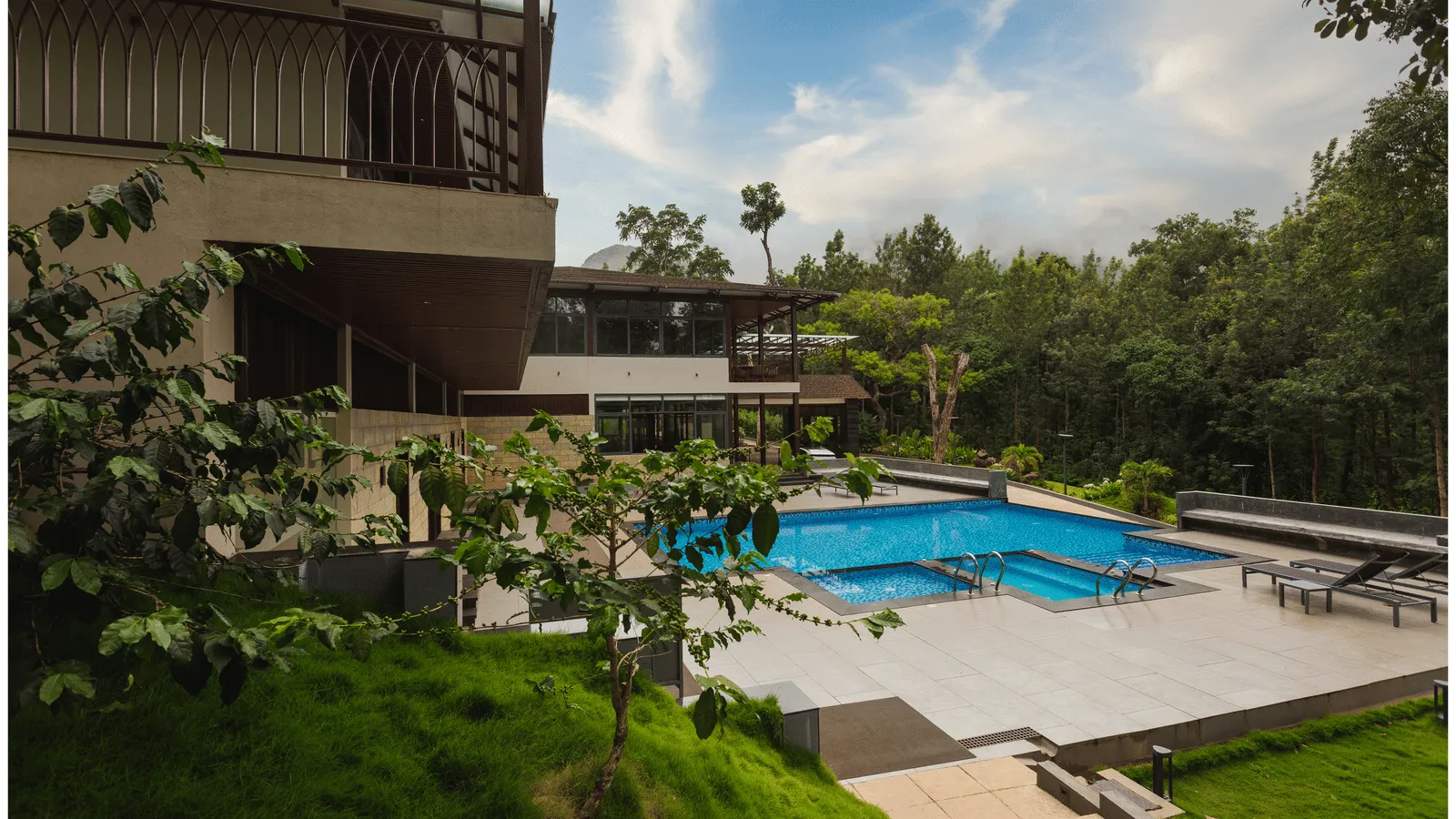
2-Day Itinerary for Chikmagalur: The Perfect Weekend Escape
48 hours in Chikmagalur with depth over box-ticking: Mullayanagiri at dawn, coffee estate trails, Hebbe Falls, and the Hoysala temples of Belur and Halebidu.
7 min read
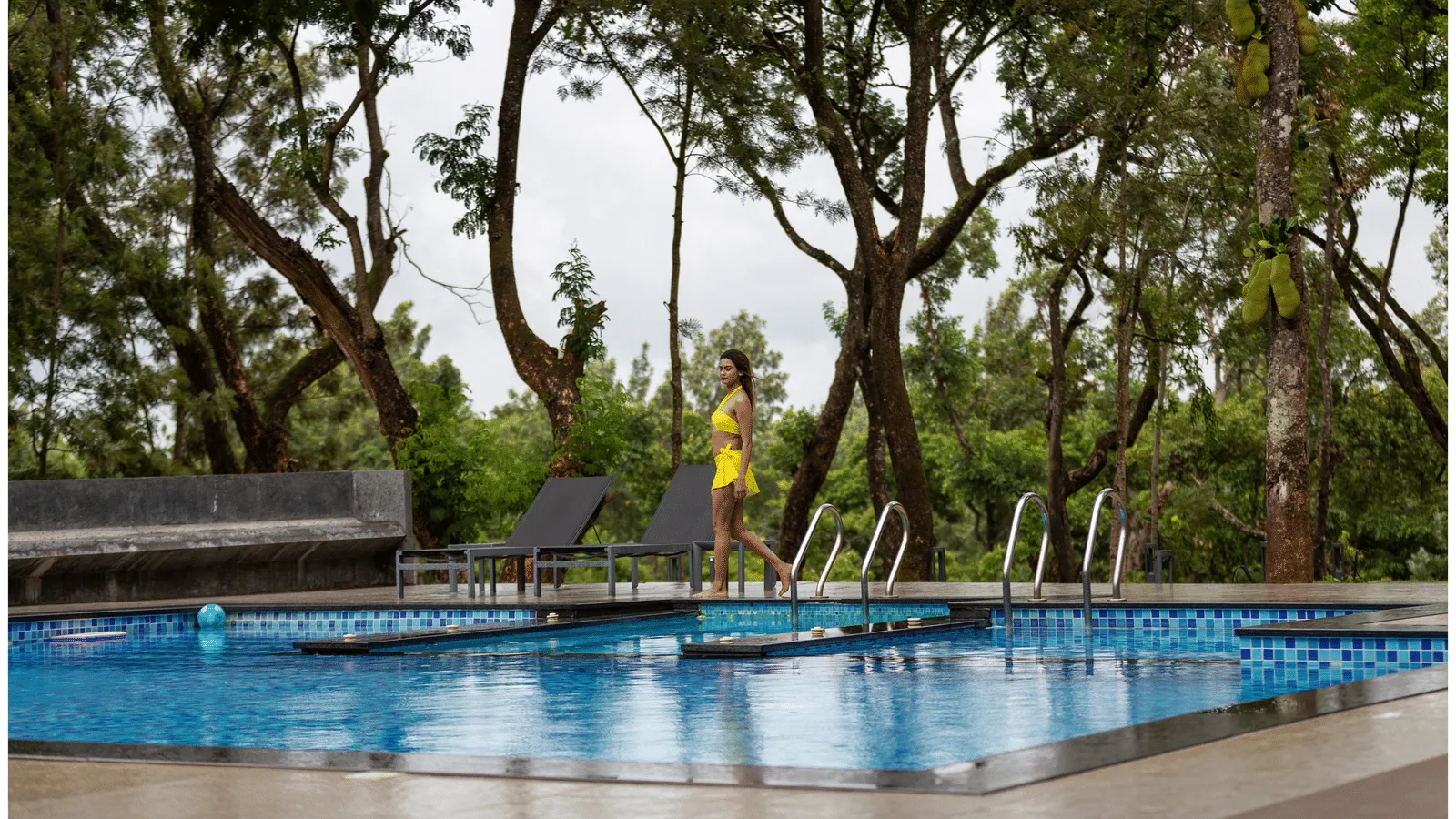
Chikmagalur Itinerary for 3 Days: The Ultimate Weekend Guide
Three days in Chikmagalur done properly: the peaks and waterfalls, the Hoysala temples at Belur and Halebidu, coffee estate mornings, and the spiritual belt of Sringeri.
10 min read
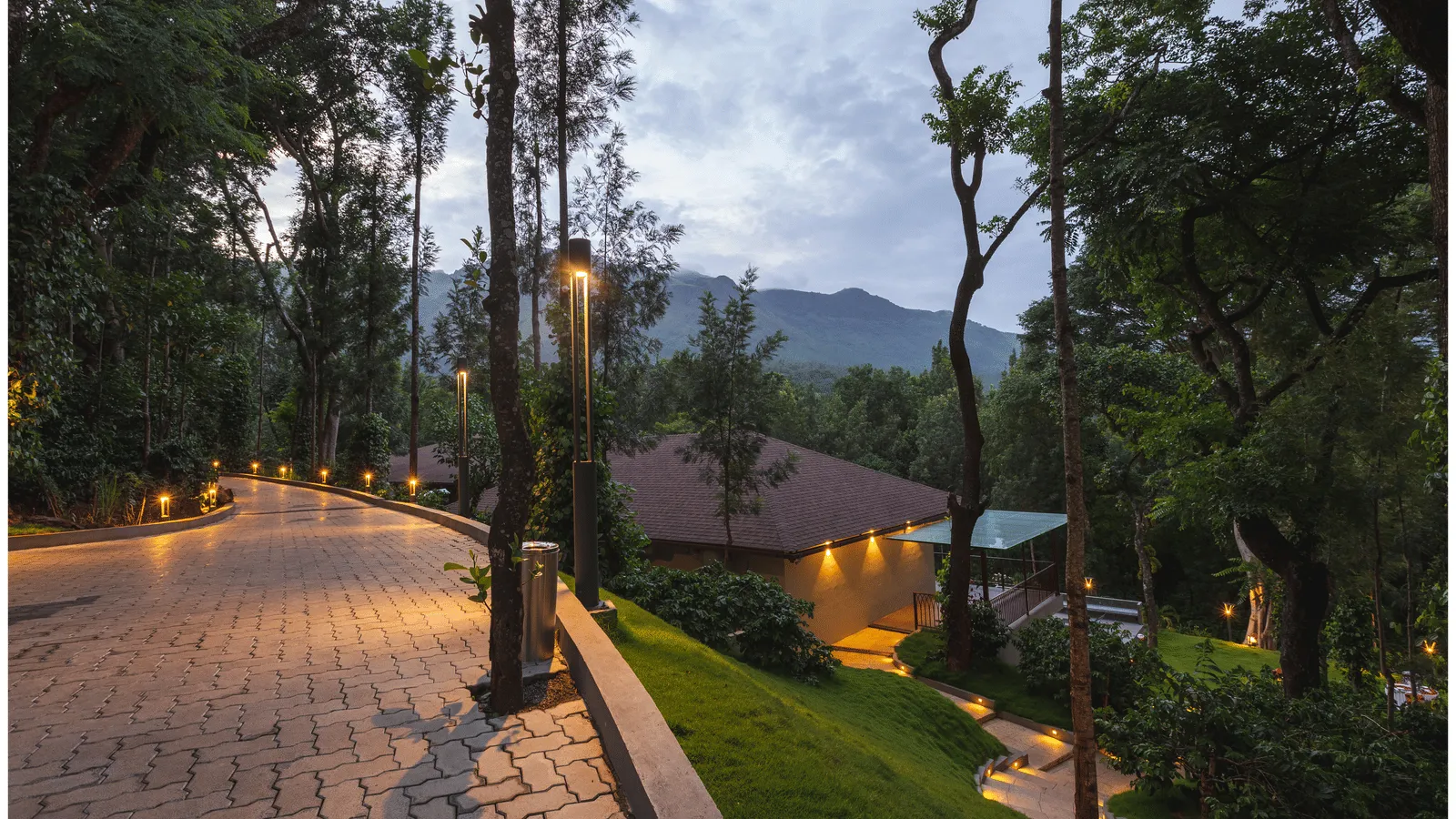
Baba Budangiri: A Complete Visitor's Guide to History & Trekking
At 1,895 m, Baba Budangiri is where India's coffee history, a cave shrine sacred to two faiths, and the finest Western Ghats trekking all meet — a complete guide to visiting.
13 min read